
Qvevri, not a slogan
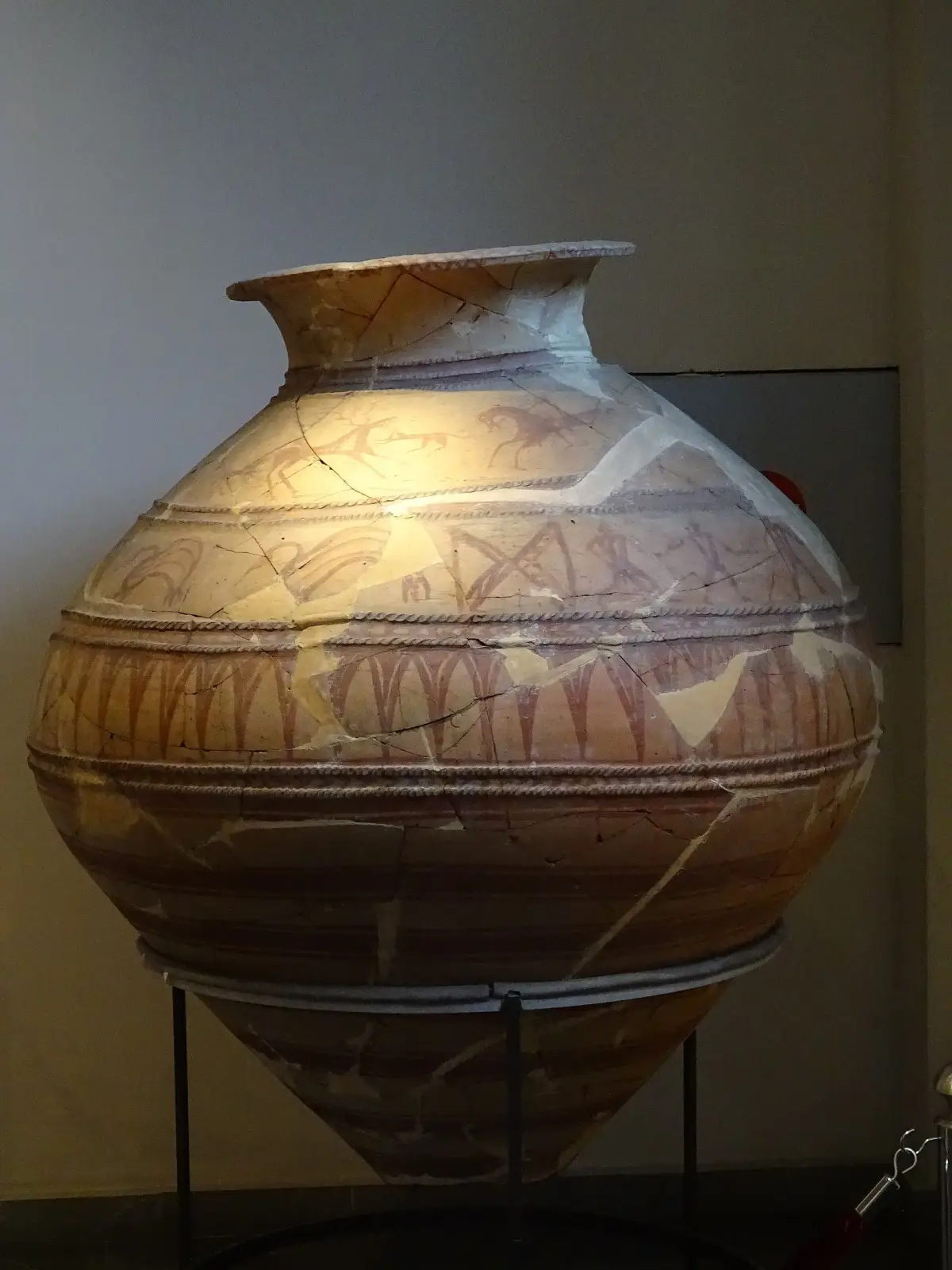
Very old traces of winemaking have been found on Neolithic pottery in Georgia. The qvevri method, a buried jar where the grapes ferment with the skins, has been intangible heritage at UNESCO since 2013. The amber wine of Kakheti comes from that.
A cellar is visited if it is open that day. The tasting is paid at the estate. It is not slipped into the service as an invisible extra.
The table
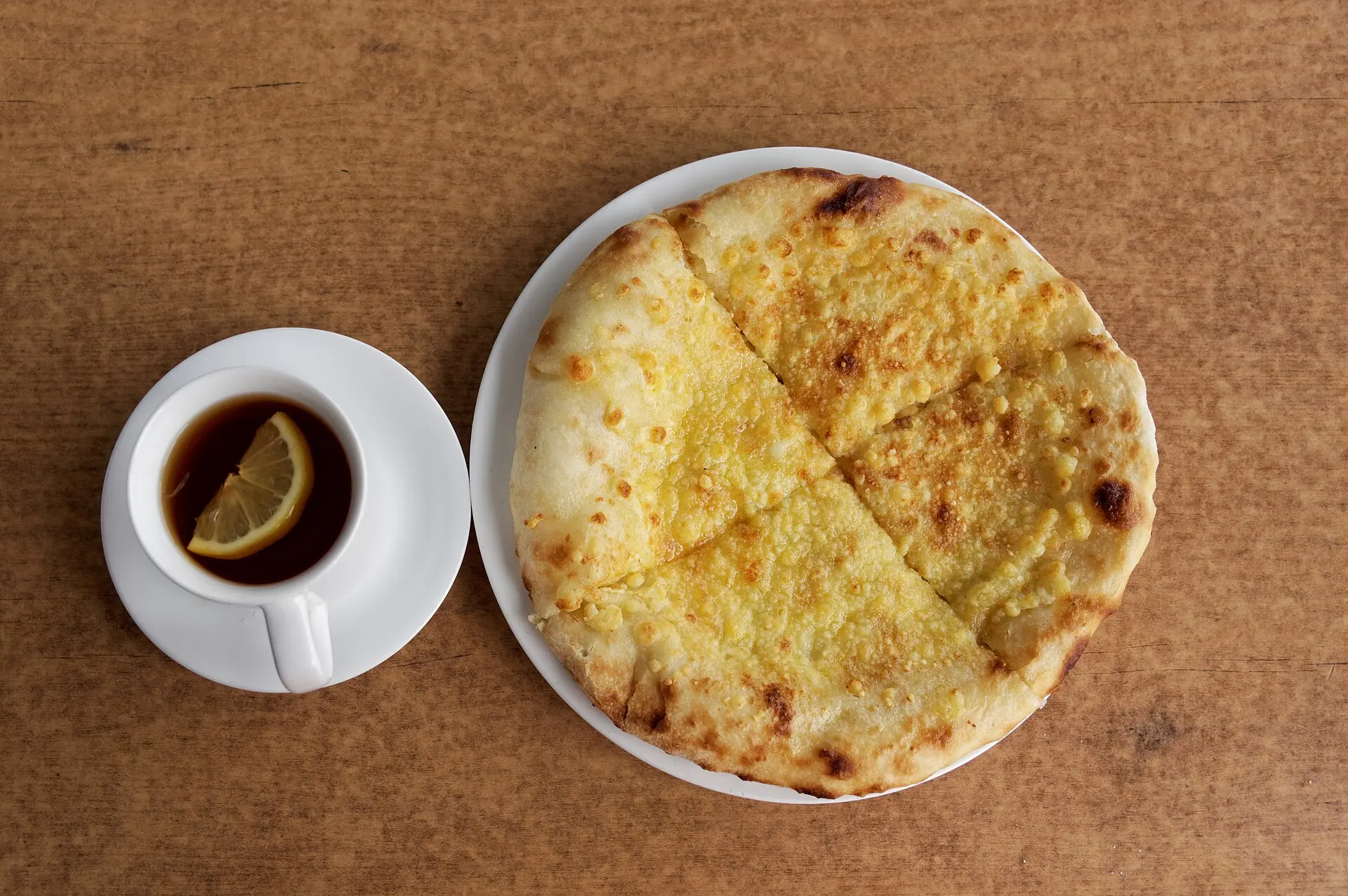
Khachapuri changes shape by region: the Adjarian boat, the round Imeretian pie, the Megrelian one with cheese on top. Khinkali are folded by hand. Churchkhela, grape and walnuts, shows up in markets. A supra, the long meal with a tamada, still exists in families and in some rooms. We do not stage one for anyone.
Meals are not included. We say where to stop according to the hour and the road, and we leave the time. Lunch swallowed in the car is not a journey in Georgia.
Where it sits
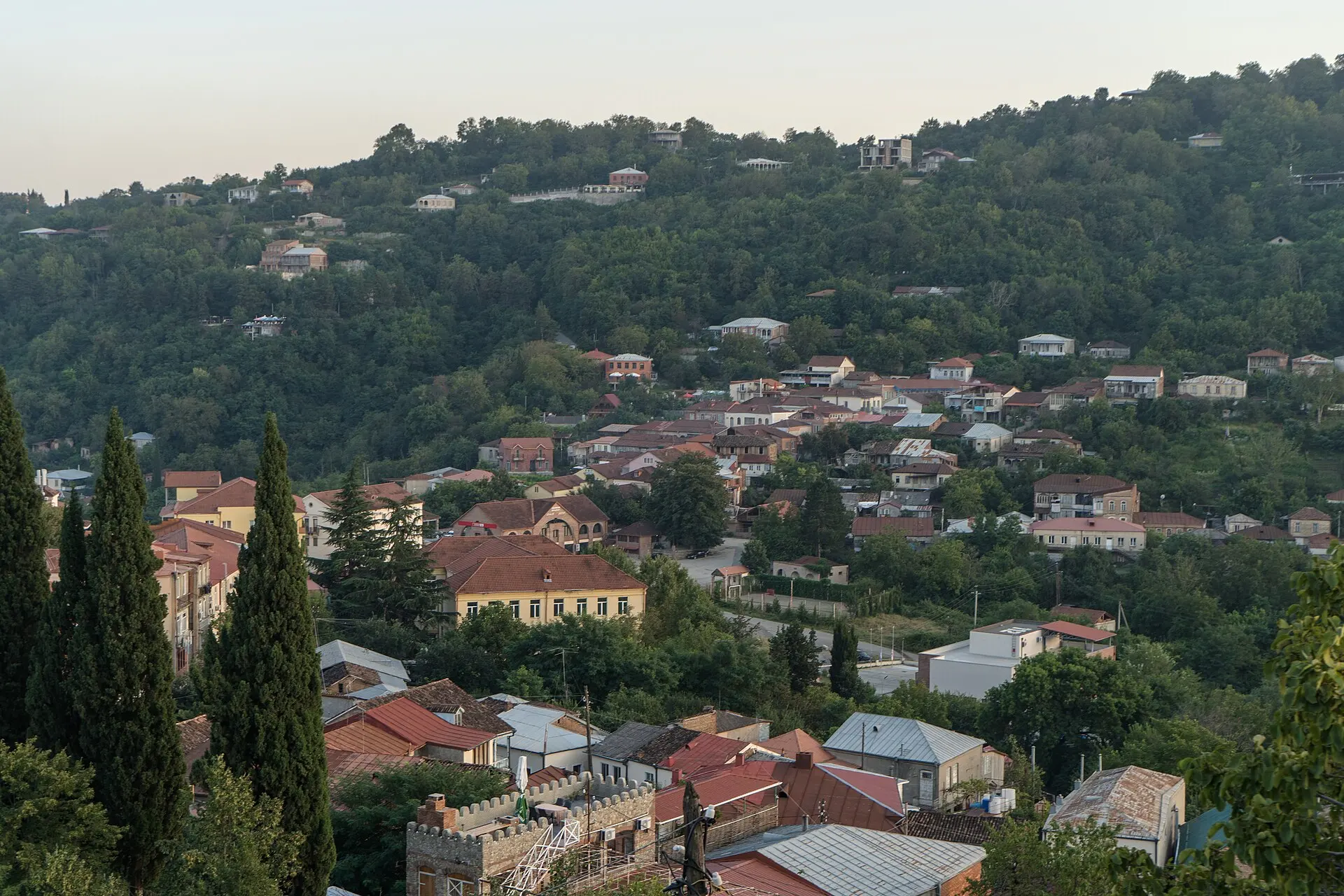
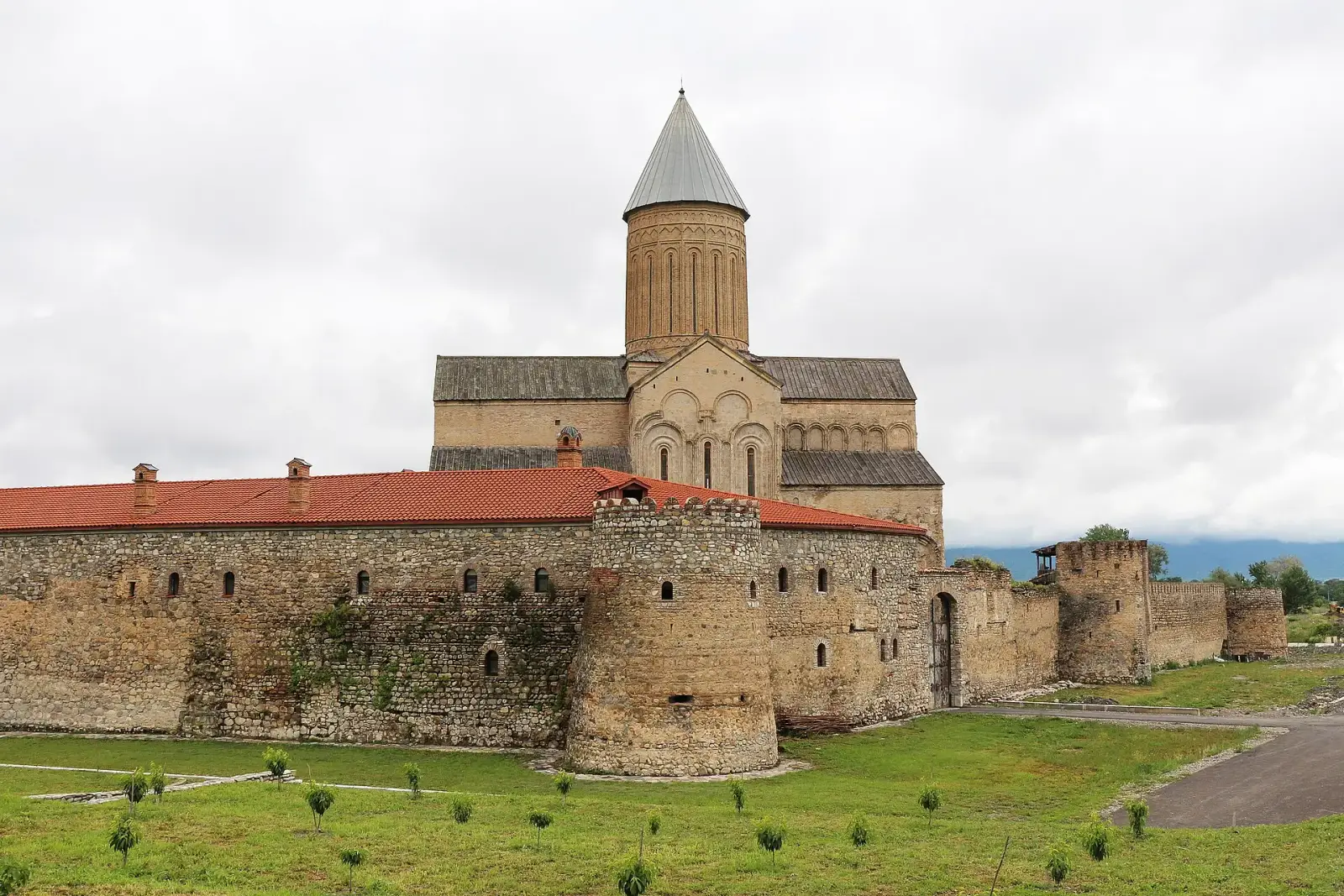
In Tbilisi the market and the old-town rooms fit the city day. In Kakheti, Sighnaghi, Telavi, Tsinandali, or Alaverdi give the frame. The harvest, rtveli, peaks in September and October. Summer on the plain is hot for a long midday table.
FAQ
Are meals included?
No. We leave a real hour at the table and we say where to stop according to the road. Lunch swallowed in the car is not the journey.
What is badrijani?
Eggplant rolls with a walnut paste. It is an ordinary table dish, with pkhali and mtsvadi, beside khachapuri and khinkali. The practical guide places them.
Is a supra staged?
No. A supra, the long meal with a tamada, still exists in families and in some rooms. We do not stage one for anyone.
Which cellar do we visit?
A cellar that is open that day, confirmed before departure. We do not promise a closed address. The tasting is paid at the estate.
Where do we eat in Tbilisi?
In the old town and around the markets, in the hour left free at midday. The guide knows that day’s quarter. The bill stays yours.